
My CAT is throwing up hairballs!
Some cats never have trouble with hairballs, but some cats regurgitate these slimy sausages on a regular basis. Read on to find out what a hairball looks like, why they happen, when to worry and how you can prevent them.
Disclaimer: This is not veterinary advice. Shropshire Cat Rescue does not accept responsibility for any action taken from this blog post. Consult your vet in the first instance if you are concerned about your cat’s well-being.
What are Hairballs?
Hairballs, also called trichobezoar, is cat vomit, largely made up of fur (it’s own fur, or fur of another cat) and saliva that has been ingested by the cat. Despite being called a hair ‘ball’ they are usually cylindrical, dark brown and a bit sausage shaped.

Why do hairballs happen?
Cats are meticulous groomers. They spend anywhere from two to three hours a day, roughly 30% of their waking hours, licking themselves (and sometimes other cats). Their tongues are covered in tiny barbs called papillae which catch loose fur, which inevitably gets swallowed.
For the most part, swallowed fur passes through the digestive tract without issue. But when too much accumulates, the body expels it in the form of a hairball.

What is Normal VS Concerning
Research suggests that it’s quite normal for a cat to cough up a hairball occasionally (no more than once a month). However if your cat is regurgitating hairballs more often, then your cat may have an underlying problem. If you are not sure, then speak to your vet.
Hairballs are around twice as common in long-haired cats compared to short-haired cats; ingesting excessive fur is a major cause of hairballs. However it is important to consider environmental factors that cause increased grooming. Fleas or skin diseases can cause a cat to clean itself excessively. Anxiety, such as moving house can also stimulate cats to increase grooming and ingest more fur.
Coughing up hairballs may also signal gastrointestinal disease, so if the problem is persistent, it is worth speaking to your vet. In this case, managing the disease may reduce the incidence of hairballs.
Warning Signs
In a regular case, a cat regurgitating a hairball will retch and throw up the hairball fairly quickly. If you hear gagging sounds, give your cat space to naturally expel the hairball.
However, if the cat is:
Retching without producing a hairball
Showing signs of nausea
loss of appetite
licking lips
excessive ingestion of grass
This could indicate something more problematic. If you are concerned about your cat, speak to your vet.
In rare cases, hairballs cause complications. Hairballs can form into hard lumps creating intestinal blockages which may require surgery to remove. Other complications could include hiatal hernias and colonic mucosa inflammation. These rarely happen, but if you are worried about your cat, speak to your vet.
Prevention is Better than Cure! Hydrate, Groom and Enrich
Hydration: A common cause of hairballs is a lack of hydration. Make sure to provide fresh clean water at all times, and if possible, add some wet food to your cat’s diet to aid digestion.
Diet: Lack of fibre is another common cause. Commercial hair ball control diets and treats are also available, where the recipe has higher levels of fibre, helping to sweep fur through the digestive system. More frequent feeding of small meals rather than large meals may also support gastrointestinal motility. Speak to your vet for nutritional advice.
Grooming: Make sure to brush your cat, especially long-haired cats, regularly to limit the ingestion of loose hair.
Environment: Consider sources of stress for your cat, and mitigate them if possible.

There are also flavoured waxes and oils for cats on the market which provide a lubricant effect. Ingesting lubricants created for cats (never use one that has not been made for cats) can help move fur from the stomach to the duodenum where it is processed into faeces.
However this is not a long term solution, does not tackle the cause of hairballs, is risky and may reduce availability of fat soluble vitamins. In any case, speak to your vet if you are unsure.
It should not be necessary to medicate a cat for hairballs.
Know your Cat
It is natural for cats to groom themselves and regurgitate hairballs occasionally. You can reduce the incidence of hairballs by monitoring your cat, and adjusting their environment to reduce stress whilst making sure to brush the cat regularly. Caring for the cat from the inside out by ensuring they are mentally well, staying hydrated and eating a diet that includes some fibre will support the cat’s ability to process hairballs.
Shropshire Cat Rescue is one of the UK’s largest regional cat rescue and rehoming centres and is based in Shrewsbury. The charity has been caring for and re-homing rescued and unwanted cats and kittens for over 21 years. In that time we have looked after over 8,000 cats. Can you support our mission?
Donate: Donate | Shropshire Cat Rescue
Thinking about adopting? Adopt a Cat | Shropshire Cat Rescue
Connect with us:
Disclaimer: This is not veterinary advice. Shropshire Cat Rescue does not accept responsibility for any action taken from this blog post. Consult your vet in the first instance if you are concerned about your cat’s well-being.
References
Cannon, M. (2023) ‘Hair balls in cats: a normal nuisance or a sign that something is wrong’, Journal of Feline Medicine and Surgery, 15, pp.21-29. Doi: https://doi.org/10.1177/1098612X12470342.
Denia, K. and O’Brien, L. (N.D) ‘Hairballs are not normal: a practical approach to the vomiting cat’. Available at: Microsoft Word - OVMA 2017 Hairballs are Not Normal.docx (Accessed: 20th September 2025)
Donadelli, R.A. and Aldrich, C.G. (2019) ‘The effects of diets varying in fibre sources on nutrient utilization, stool quality and hairball management in cats’, Journal of Animal Physiology and Animal Nutrition, 104(2), pp. 715-724. Doi: https://doi.org/10.1111/jpn.13289.
MSD Manual: Veterinary Manual. (2025) Managing hairballs in cats. Available at: Table: Managing Hairballs in Cats-MSD Veterinary Manual (Accessed: 20th September 2025).
The Vets (2025) My cat is getting hairballs: symptoms & treatment. Available at: My Cat is Getting Hairballs: Symptoms & Treatment | The Vets (Accessed: 20th September 2025).
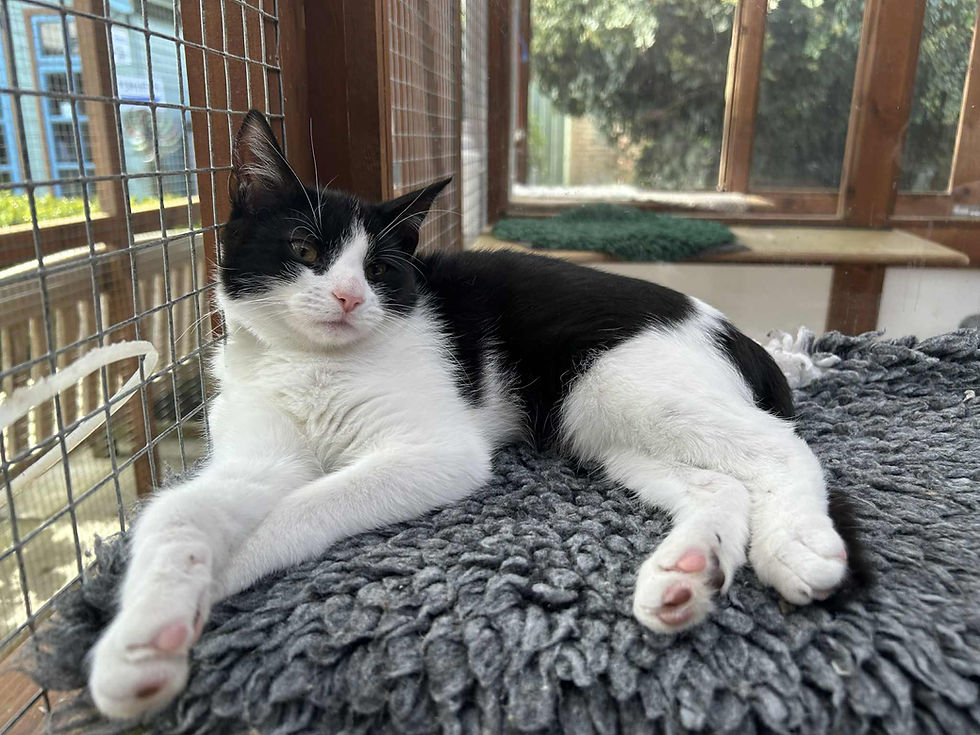
Image 1:
A Shropshire Cat Rescue Cat
Image2:
Tilmouth, K. (2025). An idea of what cat hair balls look like [photograph]. Our Happy Cat. Available at: Hairballs - What Are Cat Hair Balls? (Accessed: 21st September 2025)
Image3:
The Woof. (N.D). Cat licking paw showing papillae [photograph].The Woof. Available at: Why Are Cat Tongues Rough Like Sandpaper? Explaining the Role of Papillae — The Woof — The Woof (Accessed: 21st September 2025)
Image 4:
Berst, H. (N.D). Person brushing tabby cat [photograph]. Zoetis. Cat Brushing 101 | Zoetis Petcare (Accessed: 21st September 2025)


Comments